Spray Foam Insulation
Better comfort, lower energy bills, and a healthier home — spray foam creates an airtight seal that traditional insulation simply can't.
Why Spray Foam Is the Smart Choice for North Texas Homes
When it comes to insulating your home, not all insulation is created equal. Fiberglass and cellulose only slow heat transfer — they don't stop the air movement that drives up your bills. Even a full attic still leaks air through seams, framing gaps, and penetrations.
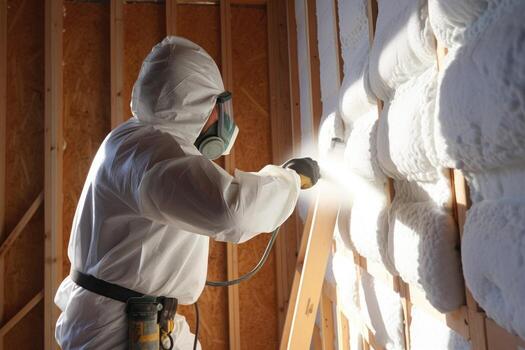
At NTX Insulation, we install premium open-cell and closed-cell spray foam that expands to seal every crack and void, creating one continuous air and thermal barrier. It keeps conditioned air in and Texas heat, humidity, dust, and allergens out — for a quieter, healthier, dramatically more efficient home.
The Benefits of Spray Foam
Lower Energy Bills
Heating and cooling are nearly half your energy use. By sealing leaks and insulating at once, spray foam keeps your HVAC from constantly replacing lost conditioned air.
Superior Comfort
No more rooms that are hotter upstairs or freezing in winter. Spray foam holds consistent temperatures throughout the home instead of chasing the thermostat.
Moisture Protection
By limiting the humid outside air that causes condensation, spray foam helps protect framing, drywall, roof decking, and indoor air from mold and rot.
Healthier Indoor Air
Every air leak lets in dust, pollen, and outdoor allergens. Sealing those entry points means cleaner air — a real difference for allergy and asthma sufferers.
Quieter Living
Because it fills every cavity and stops air movement, spray foam noticeably dampens outside noise from traffic, storms, and the neighborhood.
Long-Term Performance
Fiberglass sags and cellulose settles. Spray foam keeps its shape and performance for decades — no settling, no shifting, no gaps.
Spray Foam vs. Fiberglass vs. Cellulose
Traditional insulation slows heat but lets air move freely. Here's how the three stack up on what actually matters for a North Texas home.
| Feature | Spray Foam | Fiberglass | Cellulose |
|---|---|---|---|
| Complete air seal | Seals every gap | Allows air leaks | Slows, doesn't stop air |
| Energy efficiency | Highest | Moderate | Moderate |
| Moisture resistance | Excellent | Weakens when wet | Can absorb moisture |
| Holds shape over time | No settling or sagging | Can sag | Settles over time |
| Long-term performance | Lasts decades | Degrades if compressed | Efficiency drops |
| Upfront cost | Higher — best ROI long term | Lowest | Mid-range |
Where We Install Spray Foam
From attics to barndominiums, we tailor every application to maximize comfort and efficiency.
- Attics
- Roof decks
- Exterior walls
- Interior walls
- Garages
- Barndominiums
- Metal buildings
- Shops & pole barns
- Crawl spaces
- Bonus rooms
- New custom homes
- Remodels & additions
Our Spray Foam Process
- 1
Free Assessment
We evaluate your home or plans, talk through the comfort and efficiency problems you're seeing, and recommend open-cell or closed-cell foam for each area.
- 2
Prep & Protection
We mask and protect the work area, ventilate properly, and prepare every cavity for a clean, complete application.
- 3
Spray Application
Our crew applies the foam so it expands into every gap, seam, and penetration — forming one continuous air and thermal barrier.
- 4
Cure & Final Walkthrough
Once the foam cures, we inspect coverage, clean up completely, and walk you through the finished work.
Frequently Asked Questions
Does spray foam really lower electric bills?
Yes. By sealing air leaks and reducing heat transfer, spray foam helps your HVAC system run more efficiently, which often leads to noticeable reductions in monthly energy costs.
Is spray foam safe?
Once properly installed and fully cured, spray foam insulation is inert and safe for both residential and commercial buildings.
Will spray foam help with allergies?
Many homeowners notice improved indoor air quality, because spray foam significantly reduces the dust, pollen, and outdoor allergens that enter through air leaks.
How long does spray foam last?
Unlike fiberglass and cellulose, spray foam doesn't settle or sag. When properly installed, it's designed to last for the lifetime of the structure.
Can spray foam be installed in existing homes?
Yes. Spray foam can often be installed during remodels, attic upgrades, additions, and other renovation projects — not just new construction.
Explore Our Other Services
Cellulose Insulation
Eco-friendly, high-performance insulation made from recycled material — ideal for attics, open walls, and existing walls.
Learn moreInsulation Replacement
Old, damaged, or underperforming insulation removed and replaced — restoring comfort and lowering your energy bills.
Learn moreNew Construction Insulation
Purpose-built insulation for new builds — energy-efficient, code-compliant, and done right the first time.
Learn moreReady for Spray Foam Insulation?
Call us or request your free quote today — we'll take it from there.